
What Do We Do With Photographs of Monsters?
Childhood archives, complicit motherhood, and the systems that teach women to look away

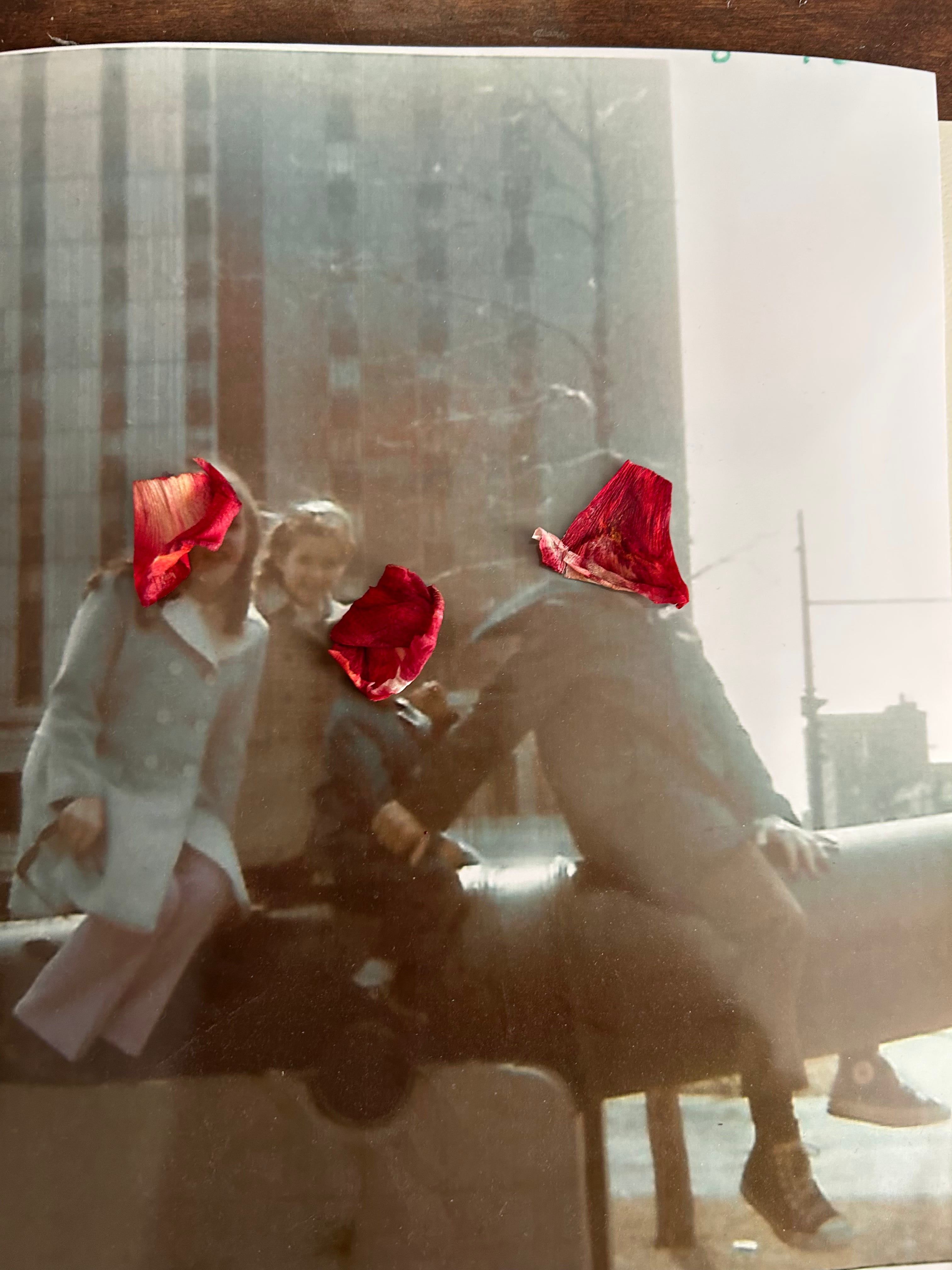
For the past several years, I have been writing toward a subject that many people still struggle to name plainly: the complicity of mothers in the abuse of their children.
Not all mothers. Not simplistically. Not as caricature or villain. But as women living inside systems of power, dependency, terror, denial, performance, religion, economics, attachment, and survival. Women who look away from the pain their child is in. Women who cannot bear to know their child is being harmed by someone they chose. Women who know about the abuse and stay anyway. Women who gaslight their children because acknowledging the truth would require the collapse of the self they built to survive.
My inquiry sits at the center of three interconnected projects I have completed: my memoir Complicit, my novel North Lake Avenue, and my experimental one-act play Box of Light.
Each approaches the question differently. The memoir moves through lived experience and the public record of my family’s Child Victims Act case in New York. The novel enters through fiction and the longing to rewrite history in favor of the children being saved by the adults who, in real life, failed them. The play examines my mother’s photo archive — the same family photographs later used as evidence in our NYS Child Victims Act case — asking what it means to inherit images documenting both intimacy and harm.
Box of Light was deeply influenced by the work of Doruntina Basha, particularly her plays Finger and Stiffler. In Stiffler, a woman moves through ordinary institutional spaces with a knife lodged in her back while almost no one fully acknowledges what has happened to her. The metaphor felt devastatingly familiar to me. Not because my own story is identical, but because trauma often functions exactly this way — visible and invisible simultaneously, carried publicly while everyone pretends not to see it.
What I admire in Basha’s work is her refusal of sentimentality. The violence in her plays is systemic, domestic, bureaucratic, historical. It lives in repetition, normalization, silence, and daily performance. That structure shaped Box of Light profoundly. I wanted the play to exist in that unstable territory between evidence and denial, tenderness and terror, ordinary life and unbearable knowledge.
At the center of Box of Light is a survivor who inherits her mother’s meticulously curated family albums documenting life with a Catholic priest who abused the children in the household. Alongside a visual journalist and collaborator, she begins examining the archive not simply as evidence, but as a structure of memory, denial, authorship, and performance.
The photographs become deeply unsettling precisely because they are so ordinary.
Christmas mornings.
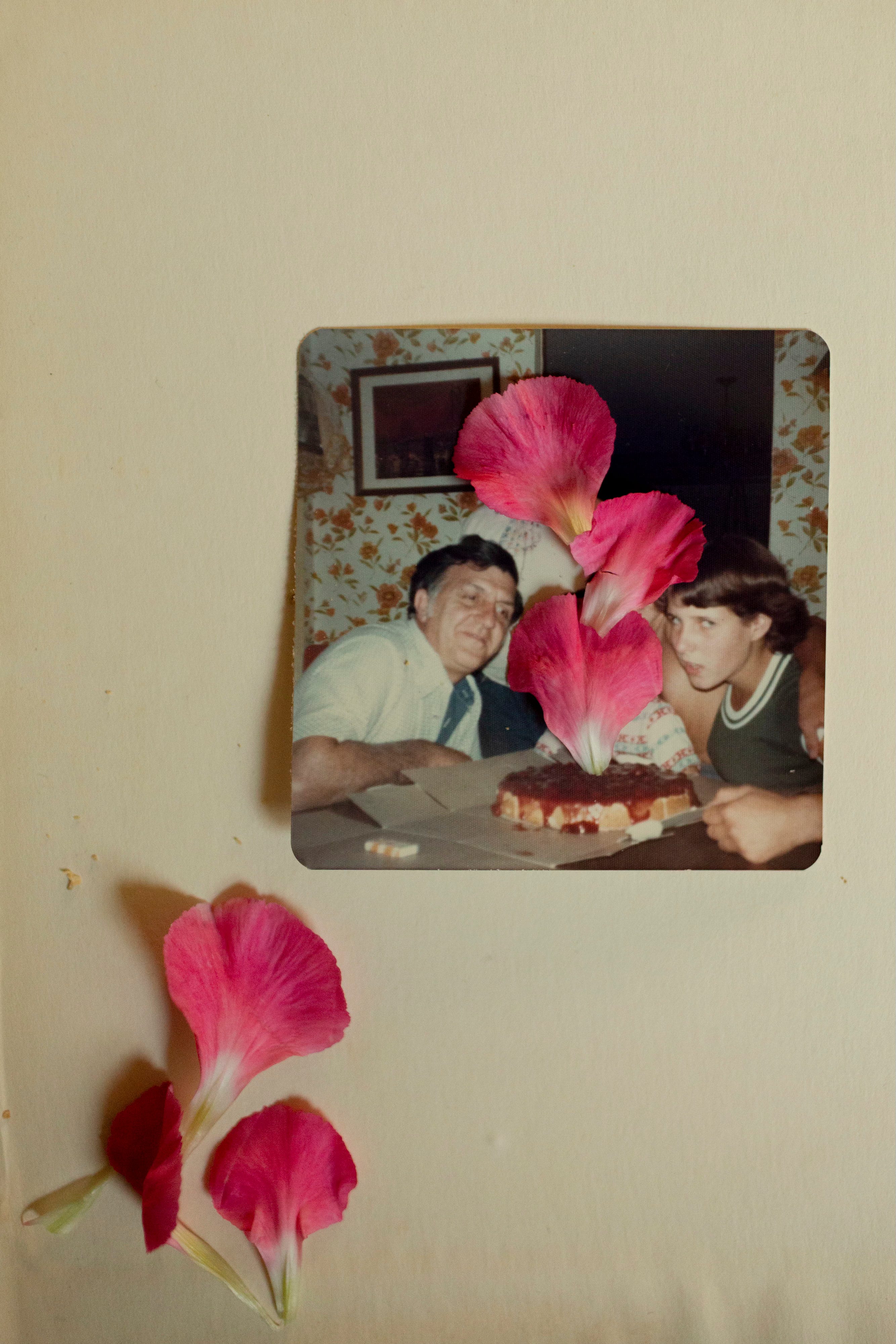
Birthday cakes.
Vacation snapshots.
Children smiling beside the man hurting them.
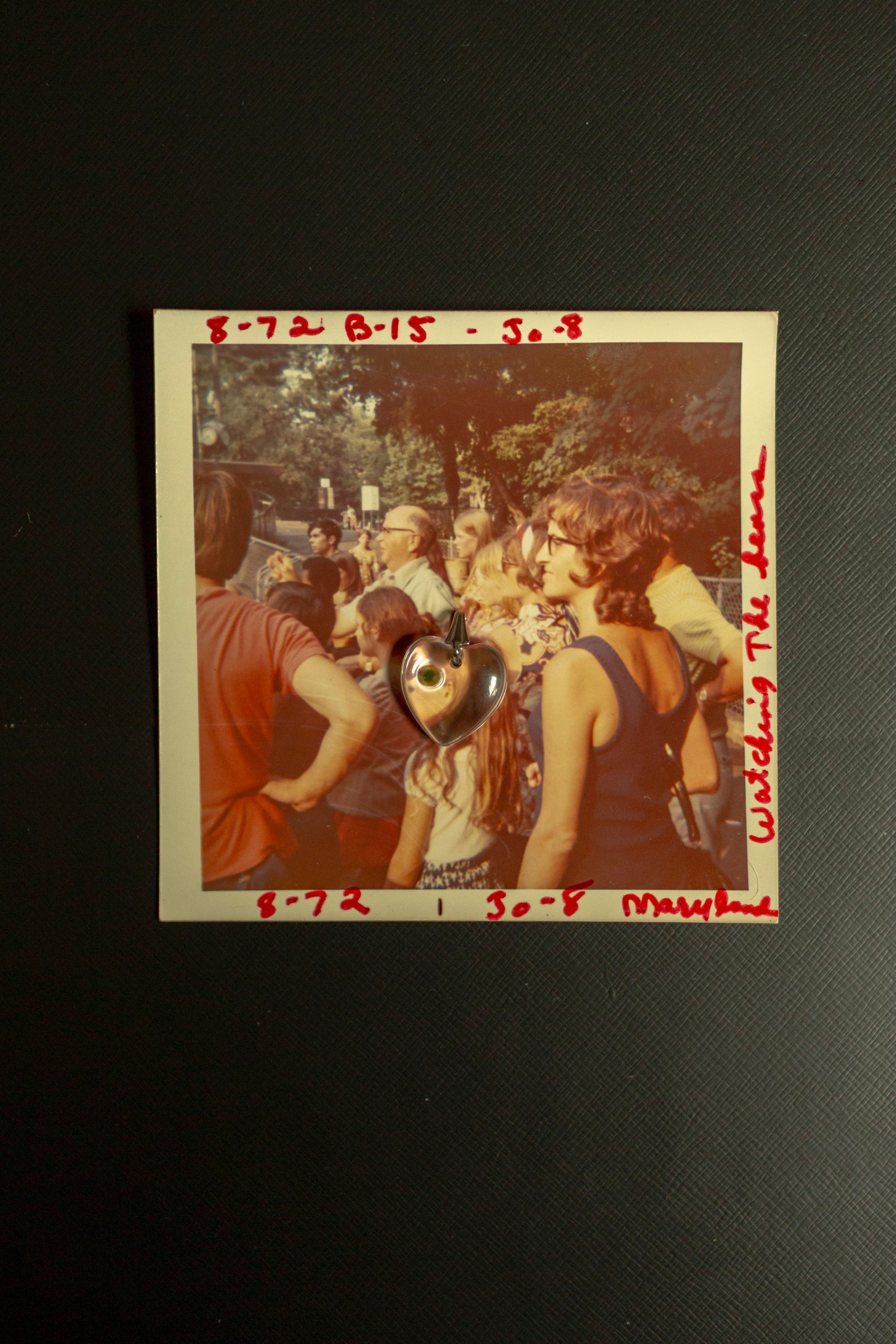
The images do not reveal violence directly. They reveal proximity. Duration. Normalization. They reveal how a family learns to organize itself around preserving appearances while something devastating unfolds inside it.
As I wrote the play, I found myself returning repeatedly, as I often do, to the work of Judith Herman. In particular her writing on trauma, attachment, captivity, and the impossible psychological negotiations survivors make in order to remain emotionally alive inside dangerous systems. One of the hardest truths survivors confront is that acknowledgment of the trauma, of the abuse, itself can feel catastrophic.
Confrontation is dangerous.
Dependency is dangerous.
Leaving is dangerous.
But full recognition can also feel dangerous because it threatens psychic survival itself. To fully understand that your mother chose herself. Or chose the system. Or chose the man. Or chose survival as she understood it. Or could not tolerate seeing you clearly because seeing you clearly would require the collapse of her own identity — that realization can fracture the internal architecture a child built in order to remain attached and alive.
Lately I find myself asking a different question beneath all of this:
Why does this inquiry still hold me so fiercely?
I think part of the answer is that the subject no longer feels historical to me. It feels immediate.
I am witnessing forms of female submission become romanticized and aestheticized again. I am watching women publicly advocate against freedoms earlier generations of women fought desperately to secure. I am watching women vote against the autonomy and protections their daughters and granddaughters may someday need in order to survive.
And I cannot separate those realities from my own history.
My granddaughters will inherit the consequences of these choices. So will my daughter-in-law. So will my stepdaughters.
The older I get, the less interested I am in separating private life from political life. Families are political structures. Marriage is often a political structure. Motherhood exists inside political structures. The negotiations women make inside homes do not remain inside homes. They shape laws, cultures, institutions, churches, and national narratives about what women owe men, what children owe families, and what kinds of suffering should remain unnamed.
Which means this work is no longer only about my mother.
It is about the systems that teach women survival through accommodation to power. Systems that reward silence, dependency, obedience, desirability, religious performance, and loyalty to patriarchal structures even when those structures diminish them. Patriarchal systems endure not only through male authority, but through the ways women are often recruited into maintaining them — sometimes through fear, sometimes through economics, sometimes through attachment, sometimes through the deep human longing to belong and remain chosen.
I keep returning to the question because I do not believe complicity begins in monstrousness. I think it often begins in fear. In exhaustion. In economic vulnerability. In the terror of exile. In the seduction of safety. In the belief that proximity to male power might somehow protect you from its violence. Protect you from the men who will you hurt.
But history shows repeatedly that this bargain eventually consumes daughters first.
Recently I listened to a beautiful interview with Ocean Vuong on the podcast We Can Do Hard Things. I recommend it highly, along with his poetry and novels, if you are not already familiar with his work. I have learned so much from reading him — similar to what I learned from bell hooks.
What moves me most in both writers is their insistence that difficult questions must still be asked plainly and publicly, even when the answers remain unstable. That inquiry itself can become a form of care. A refusal of erasure. A refusal of silence.
We need to keep talking.
We need to keep asking questions.
We cannot organize our lives around silence or in silence.
What interests me as a writer is not condemnation. It is inquiry.
How does a family construct a reality everyone agrees to inhabit?
How does documentation both conceal and reveal violence?
What does a child do with love that was real in some moments and absent in others?
What happens when archives survive longer than denial does?
What do we inherit psychologically from systems built on silence?
And what forms of witness become possible once we stop protecting the structures—the men and the women— that harmed us?
In Box of Light, some photographs are intentionally withheld from the audience. We only see the backs of them taped to a floral wallpapered wall. The refusal itself becomes part of the work. Not all evidence must become spectacle in order to be believed.
That distinction has become increasingly important to me.
I am less interested in exposure for its own sake than in understanding how survivors live beside what cannot fully be repaired.
All three projects — Complicit, North Lake Avenue, and Box of Light — attempt to enter that unstable territory carefully. Not to resolve it. Not to simplify it. But to remain inside the contradictions long enough to see what they reveal.
At the center of Box of Light is a question the play never fully answers:
What do we do with photographs of monsters?
I suspect the larger question underneath it may be:
What do we do with the systems that taught us to keep smiling beside them?
Appreciate this inquiry. To ask the right questions. To live them.